our stories, your learning
Stories of survival
We value number of survival over number of plants planted because number makes sense if they are alive.

Stories of persistence
We value persistence over motivation because motivation fades, persistence remains.

Stories of hope
We value existential relation with tree over so called superficial climate change agenda because “tree is life.”

Why TREE Believes “Tree is Life”
There are moments when humanity must return to the basics.
For TREE, that basic truth is simple:
Tree is Life.
Every breath we take, every fruit we eat, every shade we seek, and every rainfall we depend on is connected to trees.
Yet somewhere along the way, we began treating trees as objects instead of companions.
We cut them faster than we nurture them. We measure development without counting oxygen. We build cities while disconnecting children from nature.
TREE was born from a belief that environmental restoration is not only about planting trees. It is about rebuilding the relationship between humans and trees.
That is why TREE does three things together:
- Plant trees
- Nurture trees
- Promote Oxygen Literacy
Because planting without nurturing fails. And nurturing without understanding does not last.
At TREE, we believe children should learn about oxygen before ambition. We believe every birth should be celebrated with trees. We believe communities should earn from protecting nature. We believe streets should become green lifelines.
A tree is not only a plant. It is shade. It is food. It is income. It is climate protection. It is memory. It is future.
When we say “Tree is Life,” we are not using a slogan. We are describing reality.
And perhaps the future of Bangladesh depends on whether we remember it in time.

The Story Behind BirthTree
Most births are celebrated with sweets, smiles, and photographs.
At TREE, we celebrate birth with trees.
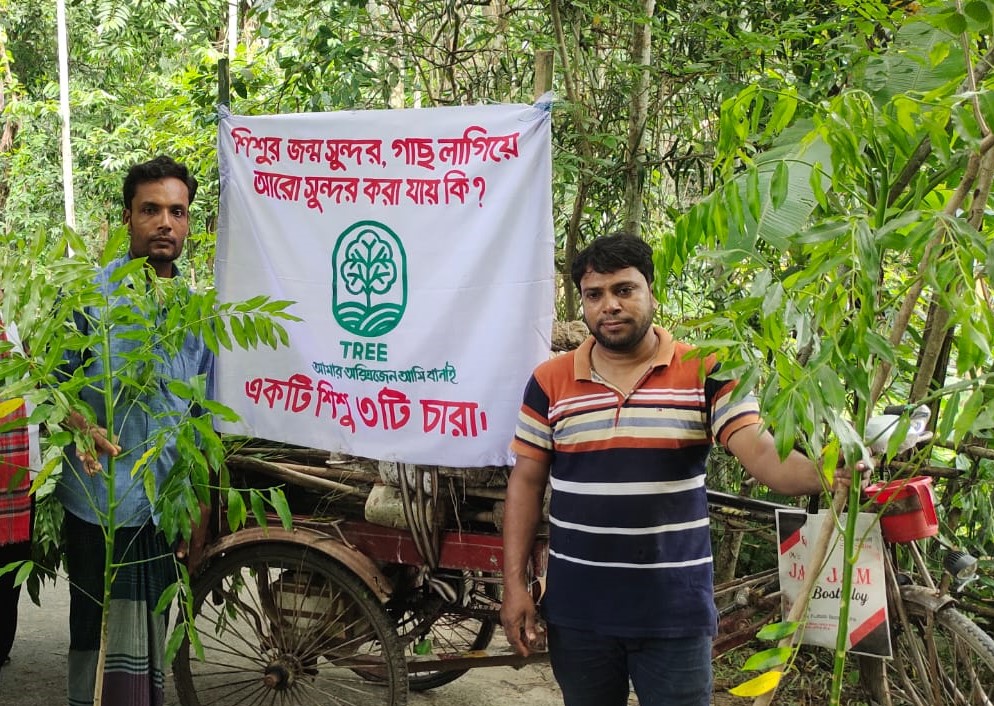
Through our BirthTree initiative, every newborn child receives three trees:
- Two fruit trees
- One timber tree
The idea is deeply practical and deeply emotional at the same time.
The fruit trees can support recurring educational expenses over the years. The timber tree can become long-term financial support for higher education in the future.
We often describe BirthTree as “living education insurance.”
But the program is about more than economics.
It creates an emotional connection between families and trees from the very beginning of a child’s life.
A child grows. A tree grows. Their stories become connected.
Many grandparents smile when receiving the saplings. Many parents tell us they never thought of trees in this way before. Some children may one day sit under the same tree planted during their birth.
That is the power of BirthTree.
It transforms tree plantation from an environmental activity into a family legacy.
And perhaps that is how real behavioral change begins—not through instruction, but through emotional connection.
Can Trees Become Education Insurance?
Education is expensive for many rural families.
Climate uncertainty, unstable income, and rising living costs often force parents to make impossible choices.
At TREE, we began asking a different question:
What if trees could help secure a child’s future?
This idea led to one of our most important realizations:
Trees are not only environmental assets. They can also become long-term economic assets.
A mango tree can produce fruit for years. A timber tree grows in value over time. A household with productive trees gains both nutrition and income opportunities.
This is why TREE integrates trees with family resilience.
Through initiatives like BirthTree, trees become part of a child’s educational journey.
A fruit harvest may help buy books. A mature timber tree may support college admission years later.
The concept may sound simple, but it changes the way people think about trees.
Instead of seeing plantation as charity, families begin seeing trees as investments in life.
This shift matters.
Because when communities understand the long-term value of trees, nurturing naturally becomes a priority.
And that is how environmental restoration becomes sustainable.
What Is Oxygen Literacy?
Children are taught mathematics. Children are taught language. Children are taught history.
But how often are children taught about oxygen?
At TREE, we believe oxygen literacy is one of the most important forms of education for the future.
Oxygen Literacy means helping people understand the invisible relationship between trees, breathing, climate, and life.
It means teaching children:
- Why trees matter
- How ecosystems work
- Why nurturing is more important than symbolic plantation
- How human survival is deeply connected with nature
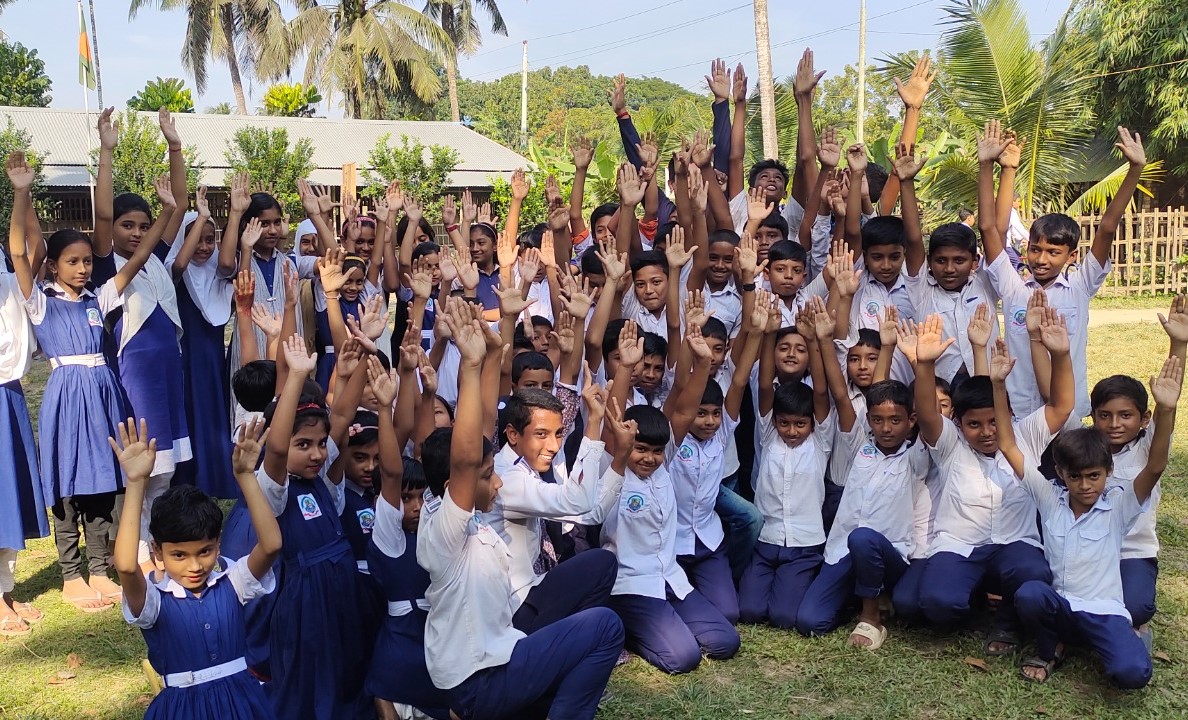
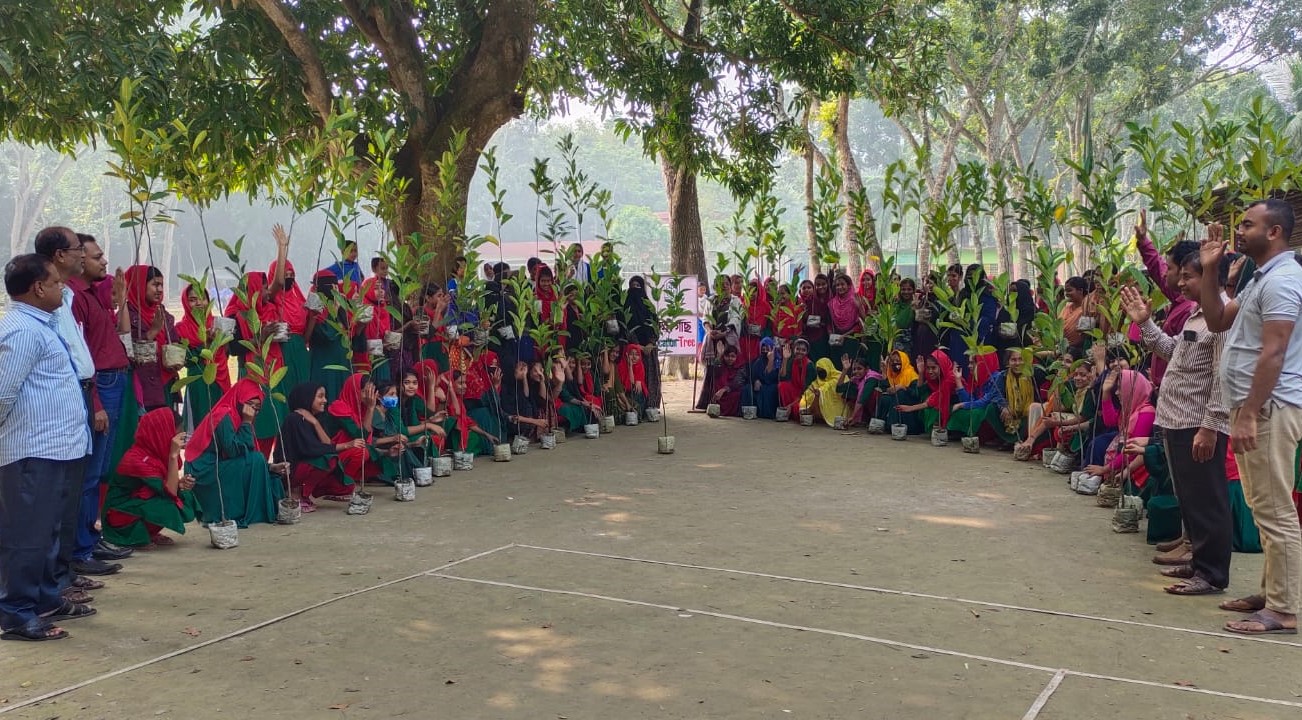
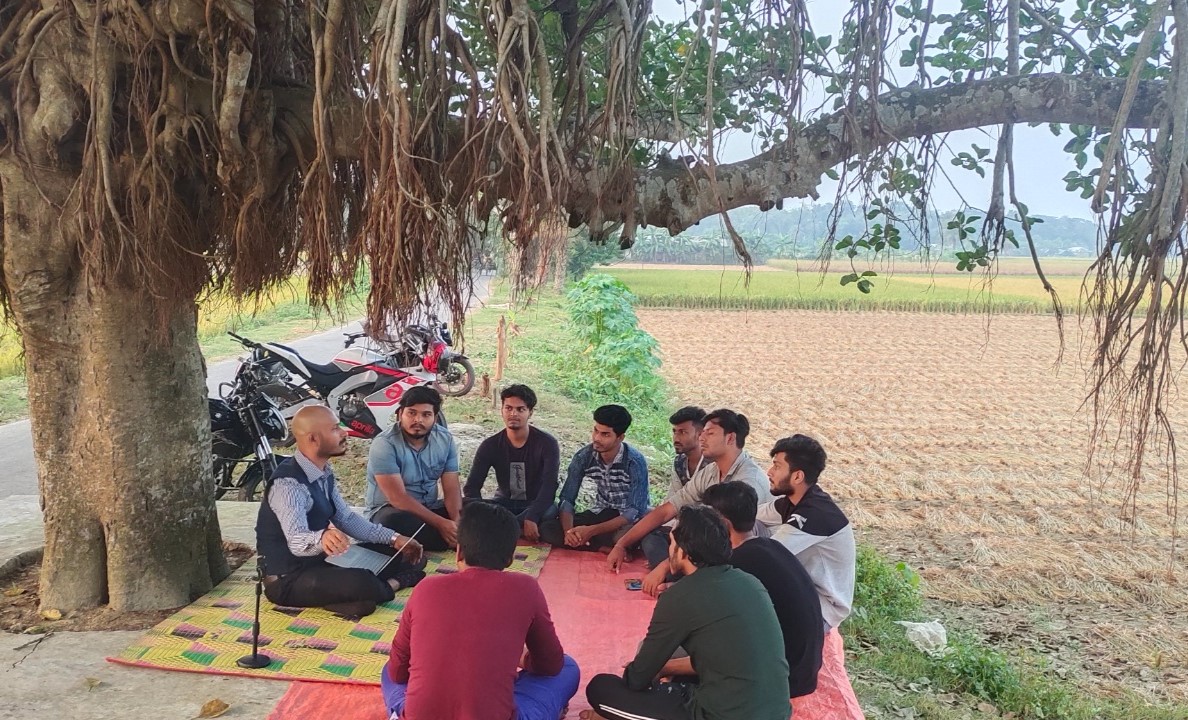
This is why TREE organizes immersive learning experiences through schools, communities, and TREE Clubs.
Children do not only plant trees. They monitor growth. They nurture saplings. They celebrate survival.
When children physically engage with trees, environmental awareness becomes emotional rather than theoretical.
A child who nurtures a tree often develops responsibility, empathy, and long-term thinking.
And perhaps that is the deeper purpose of Oxygen Literacy.
Not only producing environmentally conscious students. But helping shape environmentally conscious citizens.
Why Planting Trees Is Not Enough
Every year, millions of trees are planted around the world.
Yet many of them do not survive.
Why?
Because plantation is often treated as the final goal instead of the first step.
At TREE, we believe survival matters more than plantation numbers.
A dead sapling cannot restore climate. A neglected tree cannot support biodiversity. A symbolic campaign without nurturing cannot create lasting impact.
That is why TREE focuses heavily on nurturing systems.
We involve:
- Students
- Families
- Communities
- Youth groups
- Local ownership structures
Trees survive when people feel emotionally and economically connected to them.
This is why TREE builds programs around responsibility, education, and livelihoods.
We do not want people to simply plant trees. We want them to protect, nurture, and grow with trees.
Because the future will not be changed by plantation events alone.
It will be changed by long-term care.
How Children Are Becoming Climate Leaders
Children are often treated as future leaders.
But at TREE, we believe children can lead today.
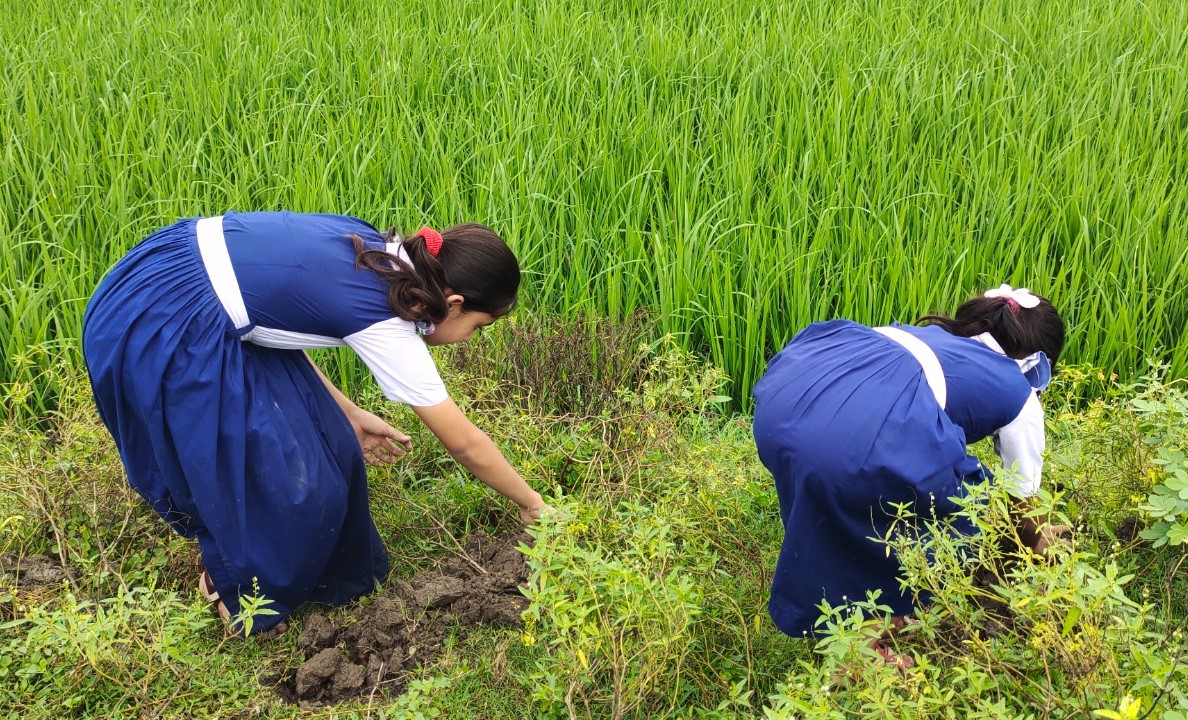
Through EducationTree and Oxygen Literacy activities, children are becoming active protectors of nature inside their schools and communities.
They plant trees. They monitor growth. They water saplings. They encourage friends and family members to care for the environment.
Something remarkable happens when a child plants a tree.
The tree becomes personal.
Children begin checking leaves. They worry during drought. They celebrate new growth.
Responsibility grows together with the tree.
Over time, environmental protection stops being a textbook concept. It becomes part of identity.
TREE believes long-term climate resilience is impossible without involving children.
Because policies may change. Governments may change. But values learned during childhood often remain for life.
And perhaps the most powerful climate leaders of tomorrow are already sitting in classrooms today.
The Untold Power of Palm Trees in Bangladesh
Palm trees are deeply connected with the landscape of Bangladesh.
Yet many communities are slowly losing them.
At TREE, we see palm trees as more than symbols of rural beauty. They are climate protectors.
Research and local experiences suggest that palm trees can help reduce the impact of lightning strikes in vulnerable rural areas. That is why TREE launched PalmStreet.
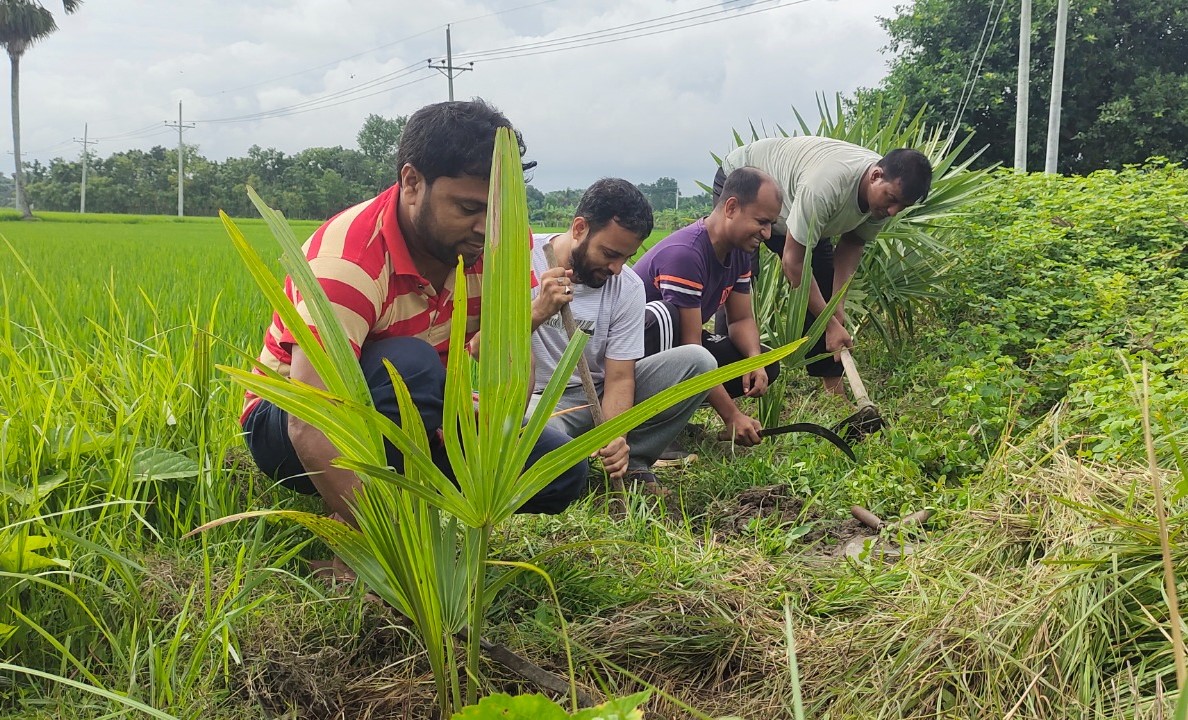
The idea is simple: Transform roadsides and community spaces into green corridors through palm plantation.
But PalmStreet is not only about planting.
Communities collect seeds. Children participate in plantation. Local people protect the growing trees. This creates ownership.
PalmStreet also promotes Oxygen Literacy by turning environmental action into a community celebration. Children often treat plantation days like festivals. And perhaps that joy is important.
Because sustainability becomes stronger when people emotionally connect with the process.
A greener street is not only beautiful. It is safer. It is healthier. It is more hopeful.
Planting Trees Across Religions: The Story of PeaceTree
Sometimes peace begins with very small acts.
A conversation. A shared meal. Or perhaps, a tree.
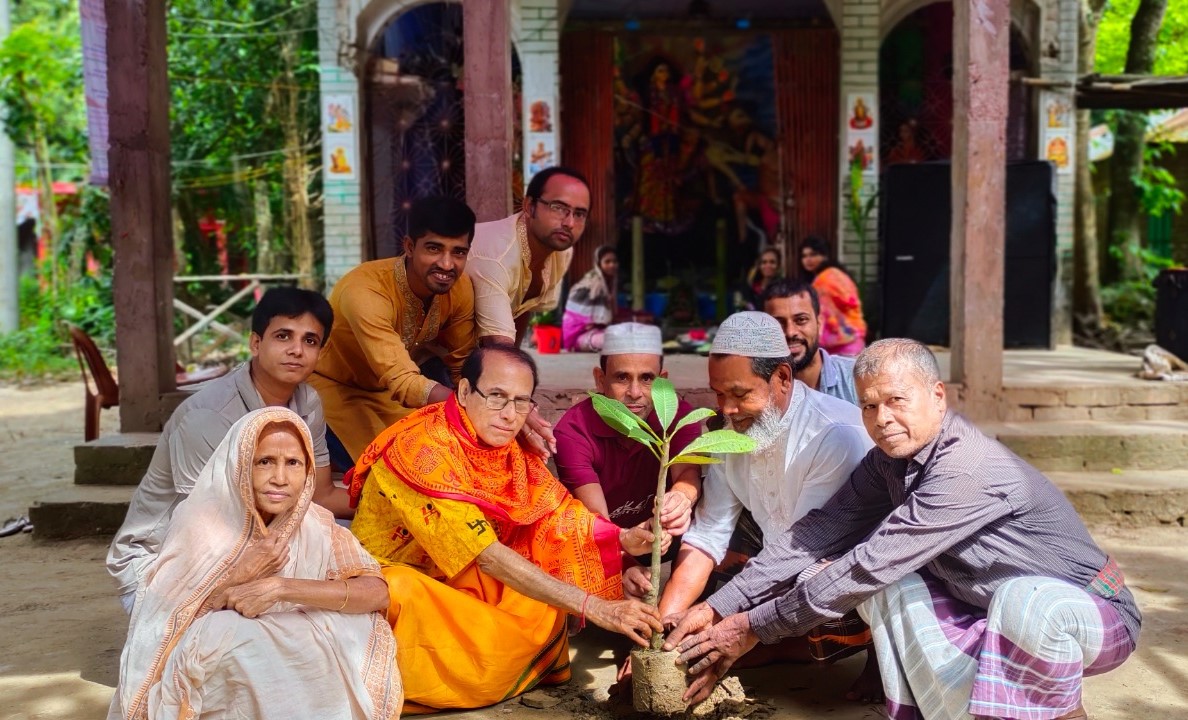
Through PeaceTree, TREE brings people of different faiths together through plantation activities.
We have seen:
- Trees planted in mosques by Hindus
- Trees planted in temples by Muslims
- Communities gathering together around care rather than division
The idea behind PeaceTree is simple.
If people protect what is sacred to others, trust begins to grow.
Trees become symbols of shared humanity.
In many communities, the plantation moments are emotional. People smile. Children observe. Barriers soften.
PeaceTree reminds us that environmental action can also become social healing.
Because trees do not ask about religion before giving oxygen.
They serve everyone equally.
Perhaps there is wisdom in that.
How Rural Women Can Earn Through Tree-Based Livelihoods
Environmental restoration becomes stronger when it creates economic opportunity.
That belief is central to TREE’s approach.
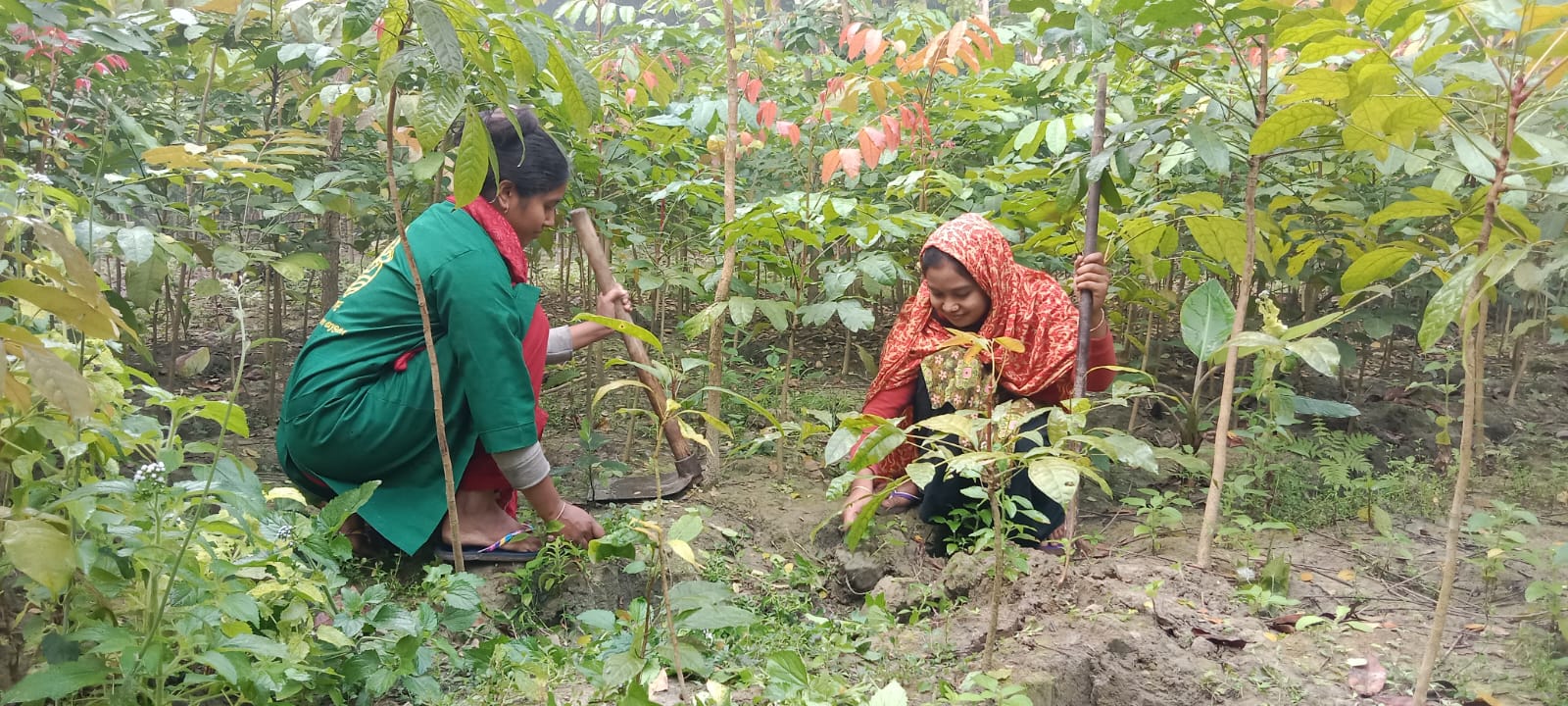
Through TreePreneur models and micro-nurseries, rural women and families can participate in sapling production and earn income locally.
This creates multiple forms of impact at the same time:
- More saplings
- More local ownership
- More economic resilienc